Next-Level Gear

In recent years, departments and agencies nationwide have been increasingly leveraging hardware and software to better protect and serve their communities, and it’s easy to see why. Advances in mobile and stationary policing technologies have yielded sophisticated yet user-friendly tools that have helped officers do their jobs more effectively and efficiently. With bodycams that upload footage wirelessly, dictation programs that cut down report writing and apps that create incident maps on mobile devices, there are numerous devices and software to add to your department’s arsenal.

NUANCE DRAGON LAW ENFORCEMENT
Voice Commands
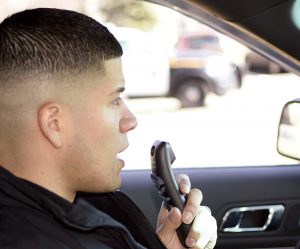
Filling out paperwork can be tedious and time consuming. Although dictation programs have been around for a while, many have proved less than ideal for law enforcement use, often falling short of expectations. Recognizing this, engineers at Nuance designed the Dragon Law Enforcement speech recognition software to specifically meet officers’ needs. Tests indicate a 99% accuracy in real-time recognition with the handheld microphone. The Nuance Deep Learning feature compensates for accents and situational noise to increase accuracy. Also, users completed reports at least three times faster than typing. A built-in database of commonly used terms and phrases for police documentation also saves time as do programmable buttons. MSRP starts at $600.

Get more information on this product ->

TOTAL RECALL CORP. CRIMEEYE RD-2
Eye on Crime
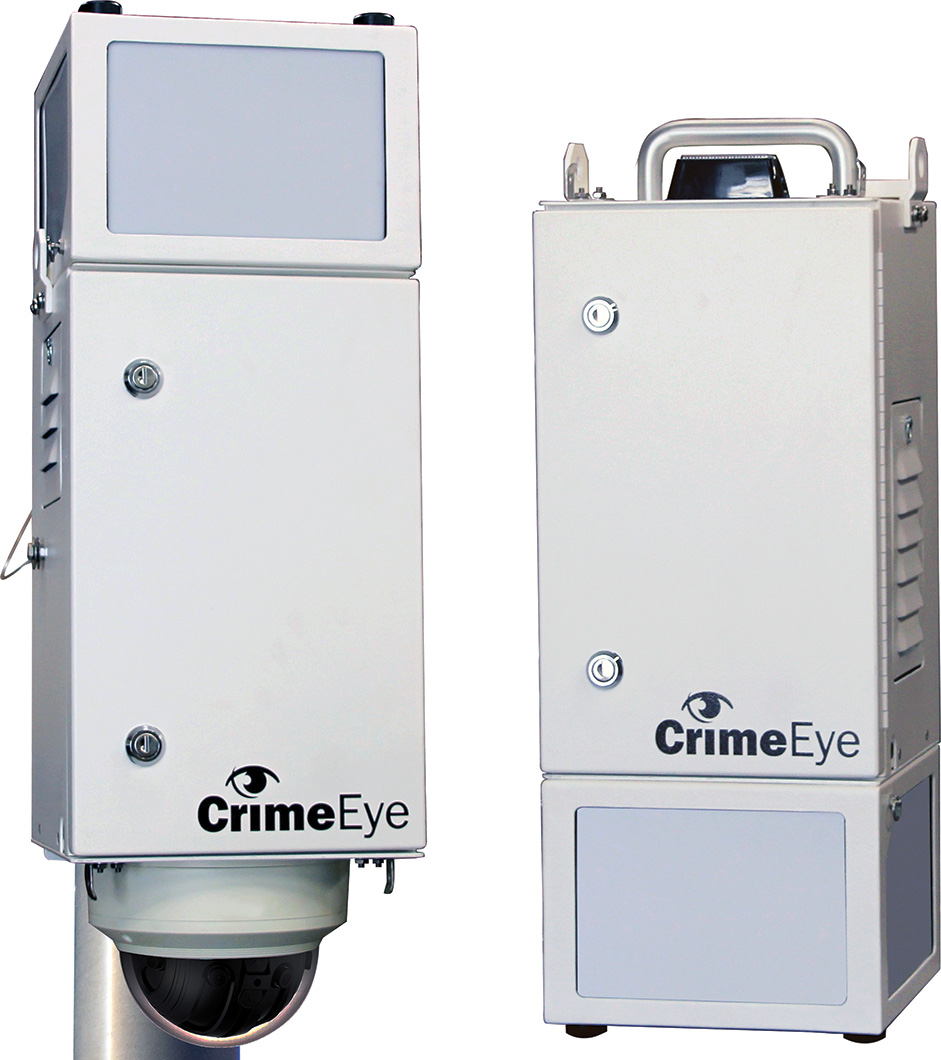
When you need an extra set of eyes discreetly watching the action, set up CrimeEye RD-2, a portable surveillance system by Total Recall Corp. Installation is easy, quick and essentially tool-free. The steady camera mount compensates for challenging environmental factors and the Axis low-light Mega Pixel HD camera produces superior images regardless of ambient light conditions. A UPS power supply with battery backup provides 1-2 hours runtime depending on location specifics. When the surveillance mission is completed, switch the system to transport mode and pack it up in its patented enclosure for secured storage. MSRP $16,448.

Get more information on this product ->
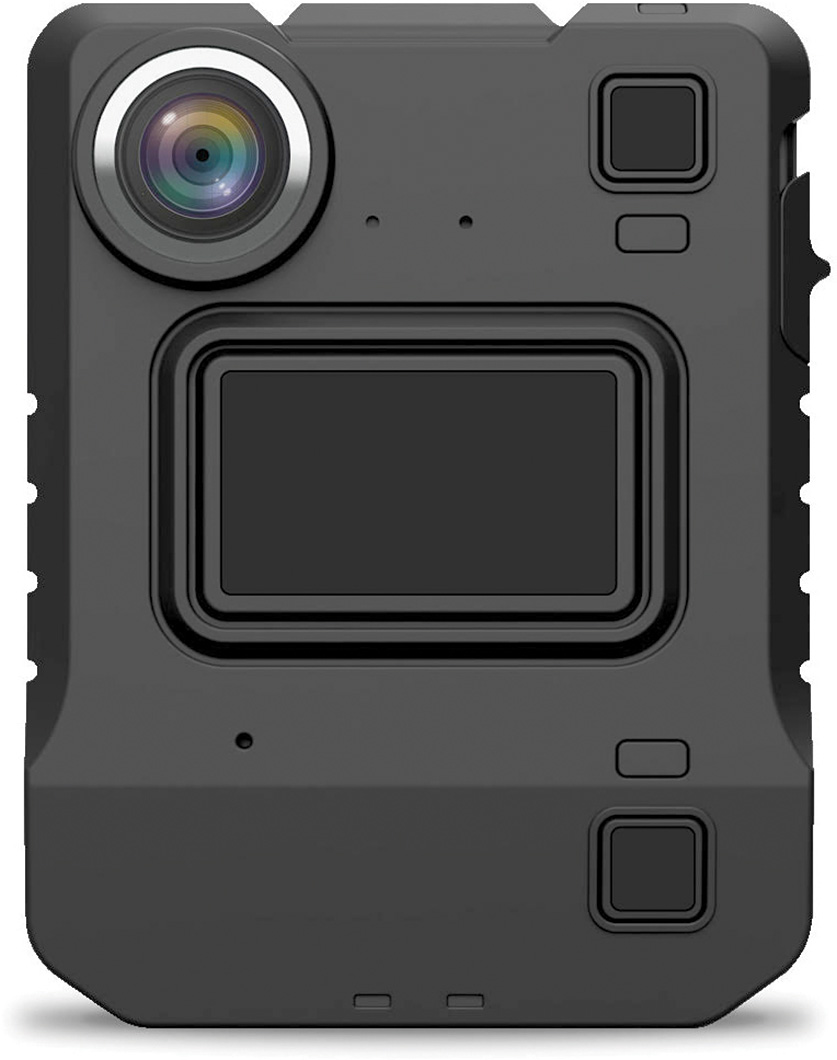

VIGILANT SOLUTIONS VIDEOBADGE VB-400
Compact Cam
Weighing in at a mere 160 grams and measuring 68mm x 89mm x 25mm, the VideoBadge VB-400 by Vigilant Solutions is small but mighty, with as much power and utility as its larger counterparts. A ruggedized exterior is ready to operate in any condition. The pre-record feature offers the opportunity to configure a pre-record period. A 140-degree diagonal field of view allows for an expanded perspective in full HD. On average, the device can capture up to 14 hours of recording, and the battery recharges in less than 8 hours. Images are transmitted via dual-band Wi-Fi, but only authorized individuals can access after downloading to a secure site. MSRP unavailable.

Get more information on this product ->
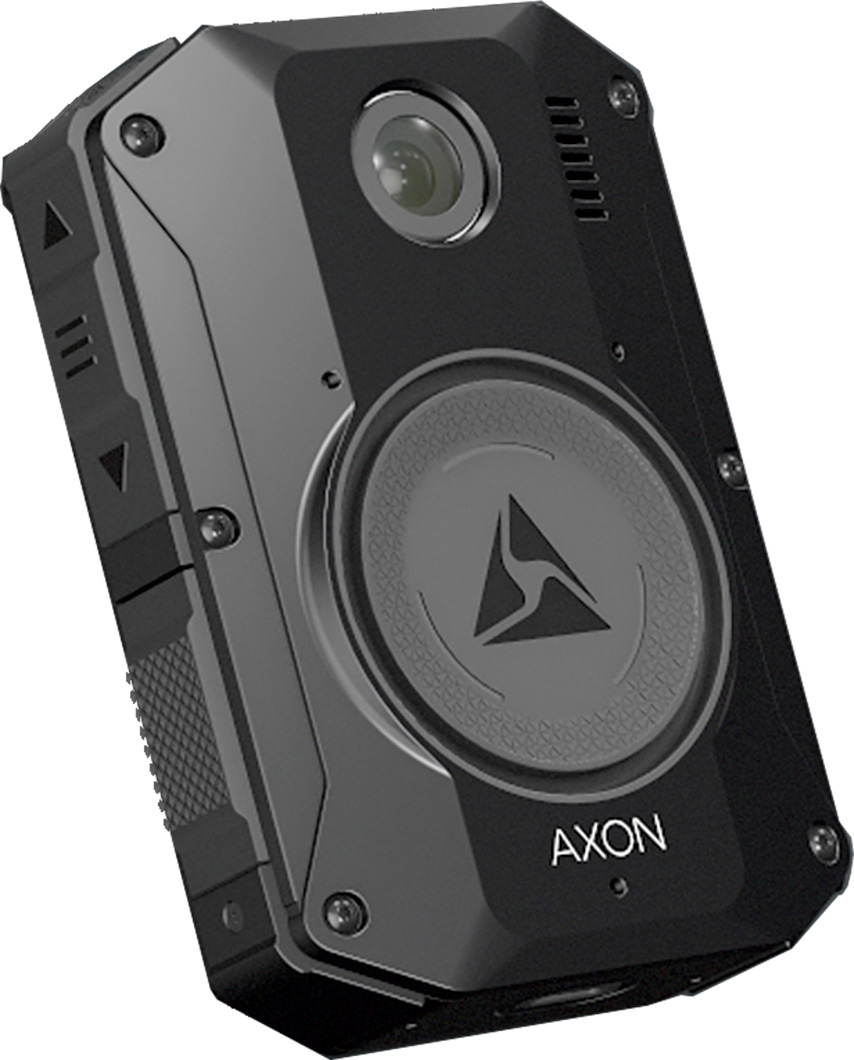

AXON BODY 3
Video on Demand
Axon introduces the Axon Body 3, its first connected body camera device. In addition to memorializing a scene, this model reacts to action. For example, when detecting gunshots, it automatically alerts command staff and sends a live stream from the field for remote assessment and command oversight. Also, there’s no need to wait for the wearer to dock the camera before pulling up images. Previewing and uploading can be done wirelessly through connection with FirstNet, Built with AT&T, and Verizon. In addition to creating clear images in low light, the device also records crisp audio. Later this year, Axon will release new features, including transcription and license scanning directly into Axon Records, the company’s records management system. U.S. shipments are expected to begin this summer. MSRP starts at $699.

Get more information on this product ->
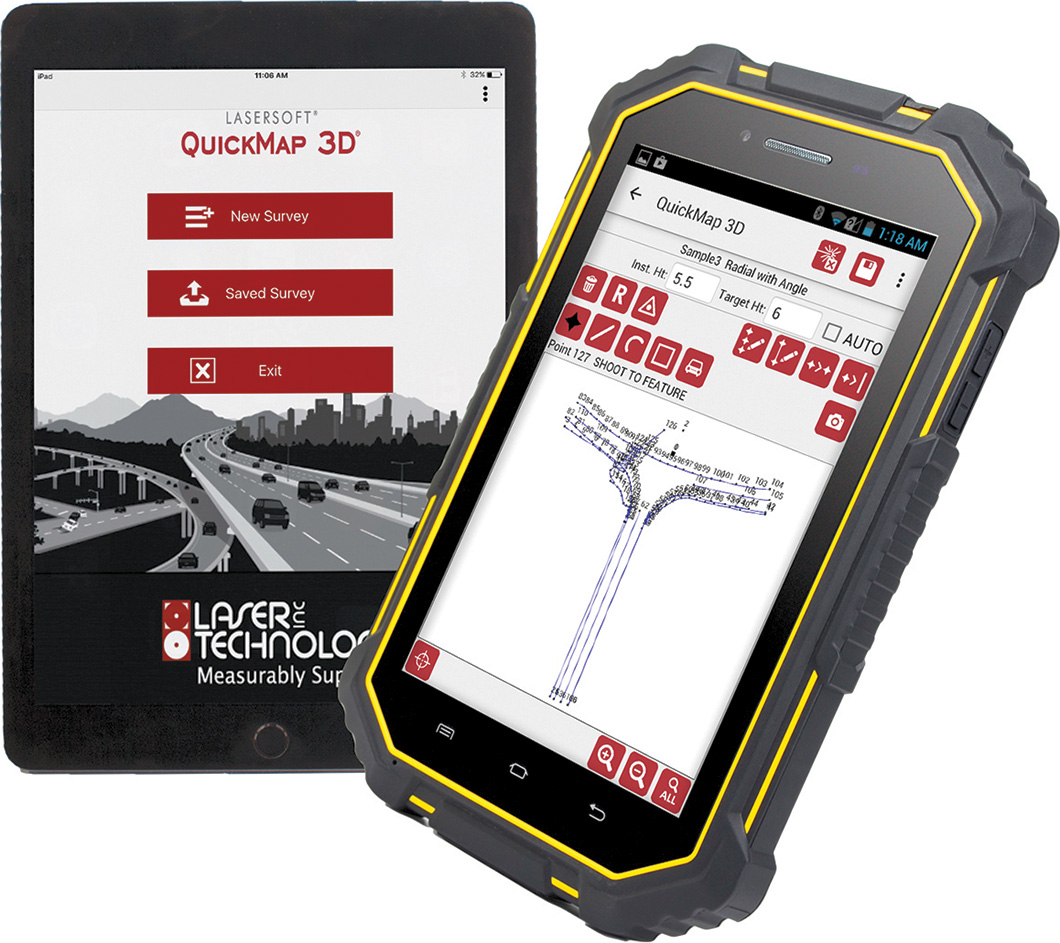

LASER TECHNOLOGY INC. QUICKMAP 3D
Precise Mapping
The QuickMap 3D incident mapping program from Laser Technology Inc. allows users to generate digital diagrams with pinpoint accuracy straight from an Android or Apple device. The program combines the best of the original QM3D with improved functionality, such as transferring field data via Wi-Fi and automatically pairing with the laser’s Bluetooth after initial hookup. Users can choose from three standard mapping strategies: baseline offset, range triangulation and radial with angles. Plus, straight lines can be converted into curves with the new advanced spline. The application also accommodates outlines of irregular shapes as well as matching photos to data sets. Yet another update is the customization option through individual or group point notation. MSRP $595 for software license.

Get more information on this product ->
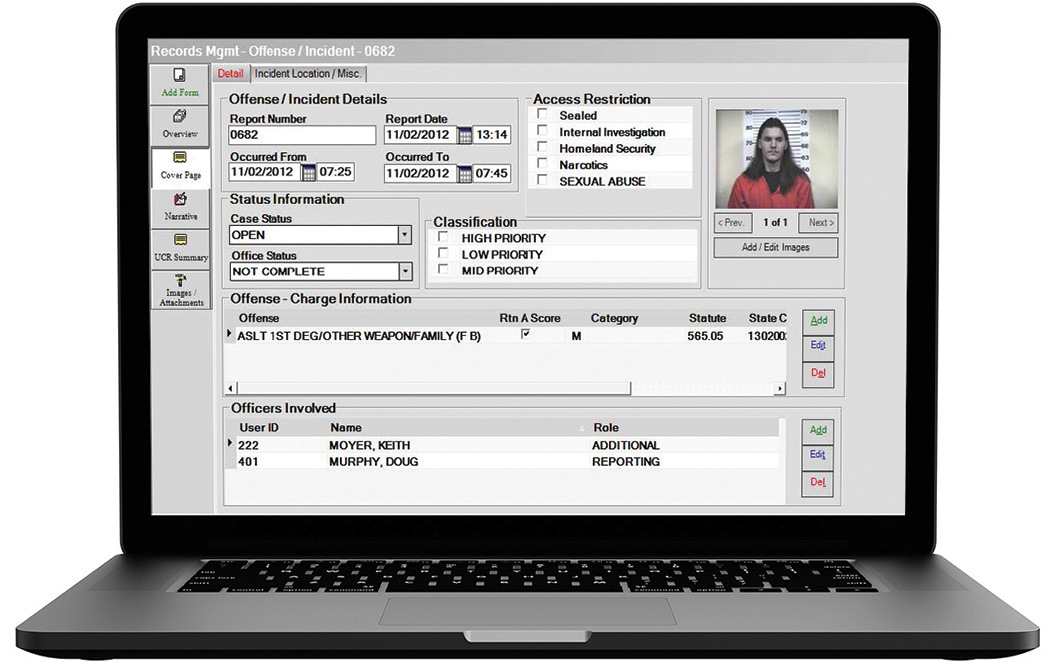

OMNIGO RECORDS MANAGEMENT
Streamline Data
The devil is in the details, and when it comes to today’s law enforcement, there are plenty of details to manage. Omnigo devised the Omnigo Records Management system to help departments collect, store, search, access and analyze vast amounts of data. To assist in the collection of information, common fields are automatically populated; however, custom fields can be added, too. Information is protected by a 256-bit Advanced Encryption Standard protocol. When it’s time to track trends for public reporting or to better allocate resources and plan budgets, the system is prepped with search-friendly functions. An added benefit is that Omnigo programmers have designed the software to help departments transition to the National Incident-Based Reporting System. MSRP unavailable.

exclusive-content-bug
Get more information on this product ->


See this story in the Spring 2019 FOP Journal issue.


Strategic Style

With the harsh cold of winter behind us, it’s time to enjoy the warmer, longer days of spring. That means trading in your heavier duty apparel for lightweight options that are breathable yet durable enough to withstand the season’s temperamental weather. This selection of products will provide you with the comfort and unbeatable protection you need to make the seamless transition into spring.


FIRST TACTICAL DEFENDER SERIES UNIFORM
Durable Defense
Police work is tough work, and it can be tough on your clothing. That’s why the designers at First Tactical prioritized durability for its Defender Series Uniform. For example, knees are reinforced with a double-layer kneepad pocket to extend the life of the pant. The same strategy has been applied to the shirt’s elbow area. Wearers will appreciate multiple layers of ventilation on top of the cotton/Cordura Nylon blend fabric for breathability. A total of 28 pant pockets offer more than enough storage opportunities while the Defender Shirt also features specialized pockets, including oversized ones on sleeves. MSRP: pant $149.99; shirt $89.99.

Get more information on this item ->


SAFARILAND STX DUTY RIG
Safety Belt
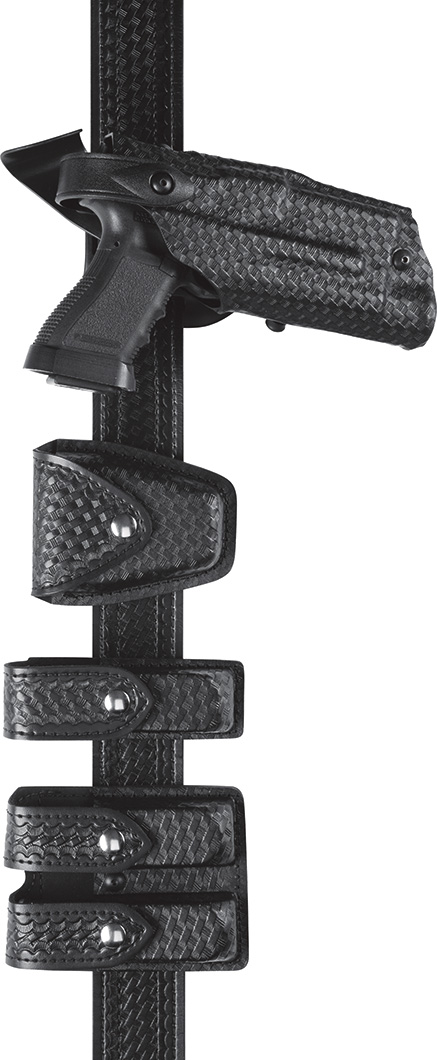
With the amount of gear police officers have to don for duty, storage compartments that allow for easy, quick access are paramount. Safariland has produced the STX Duty Rig belt to enable individuals to pack on as many items as comfortable and effective. Officers can personalize their duty rigs by adding a variety of accessories, such as baton holder, double magazine pouch, flashlight holder and even a surgical glove holder. A SafariLaminate finish gives a professional presentation with a semi-gloss leather-like grain texture, but more importantly, offers durability and hassle-free maintenance. MSRP: belt $33–$118.50; accessories $4–$128.50.

Get more information on this item ->


5.11 TACTICAL FLEX-TAC POLY/WOOL UNIFORMS
Material Witness
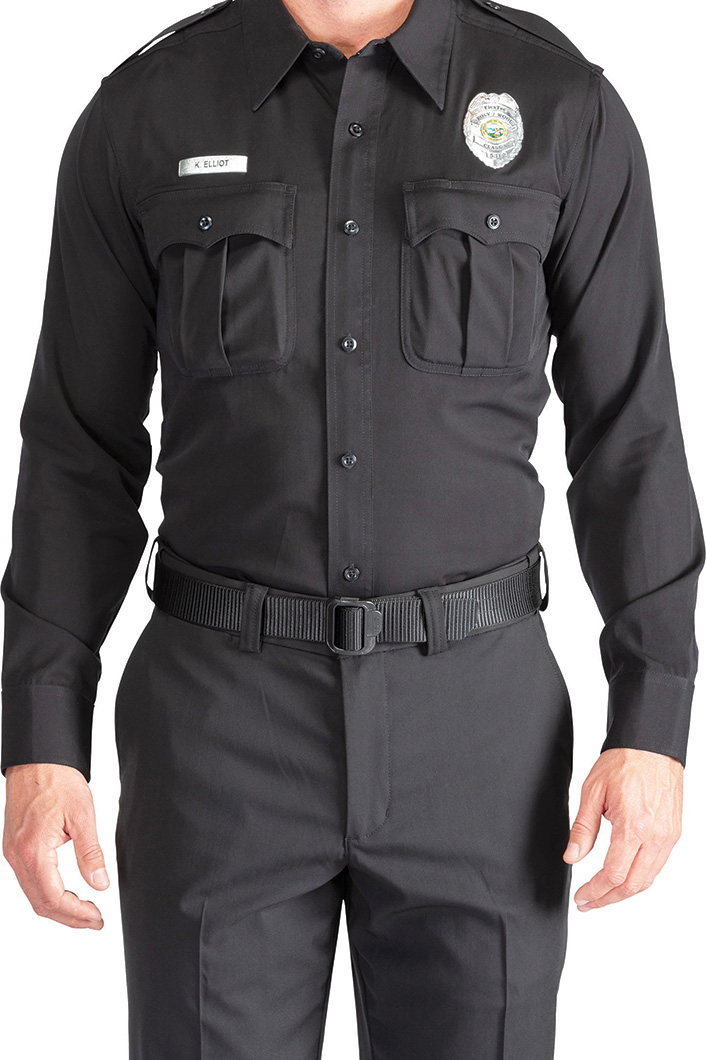
For occasions demanding a Class A uniform, you still can make comfort a priority. The Flex-Tac Poly/Wool Uniforms from 5.11 Tactical, in partnership with the Woolmark Company, work to keep officers warm and dry in rainy weather. Wool is renowned as a fabric that provides natural thermoregulation, but it also wicks moisture away, prevents abrasion and maintains its shape and color over time. Both shirts and pants feature a Teflon finish to fight against stains. Also, pants have permanent creases, two hip pockets and doubled-welted rear pockets. Uniforms include both men’s and women’s cuts, and come in black, midnight, silver tan and sheriff green. MSRP $99.99–$109.99.

Get more information on this item ->


TRU-SPEC OPS TAC T-SHIRT
Temp Control
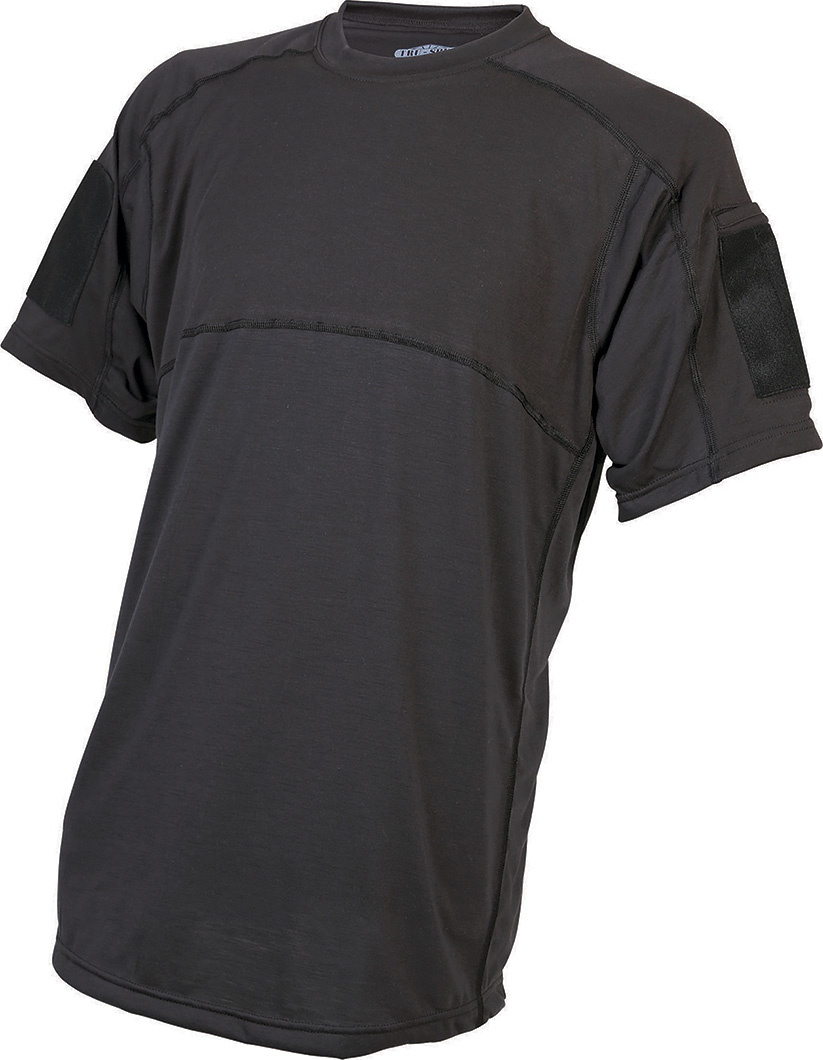
The best way to tackle the unpredictable transitional weather is by layering; you can remove layers when the day warms up and put layers back on when it feels cold or starts to rain. Start with a temperature-regulating shirt like the OPS Tac T-Shirt from Tru-Spec that can be worn as an under layer or on its own. Added to the company’s popular 24-7 Series, the Tac T-Shirt is made from drirelease fabric, which has proven to wick away moisture and dry quickly. The polyester-cotton blend also helps regulate body temperatures, up to seven degrees cooler on hot days. Tactically speaking, creators added a welted loop-pocket panel with hook-and-loop closure on the left sleeve. A three-loop panel on the right sleeve holds small items, such as pens. Sizes range from S to 4XL.MSRP $35.95.

Get more information on this item ->


WARSON BRANDS REEBOK SUBLITE CUSHION TACTICAL RB8606
Foot Patrol
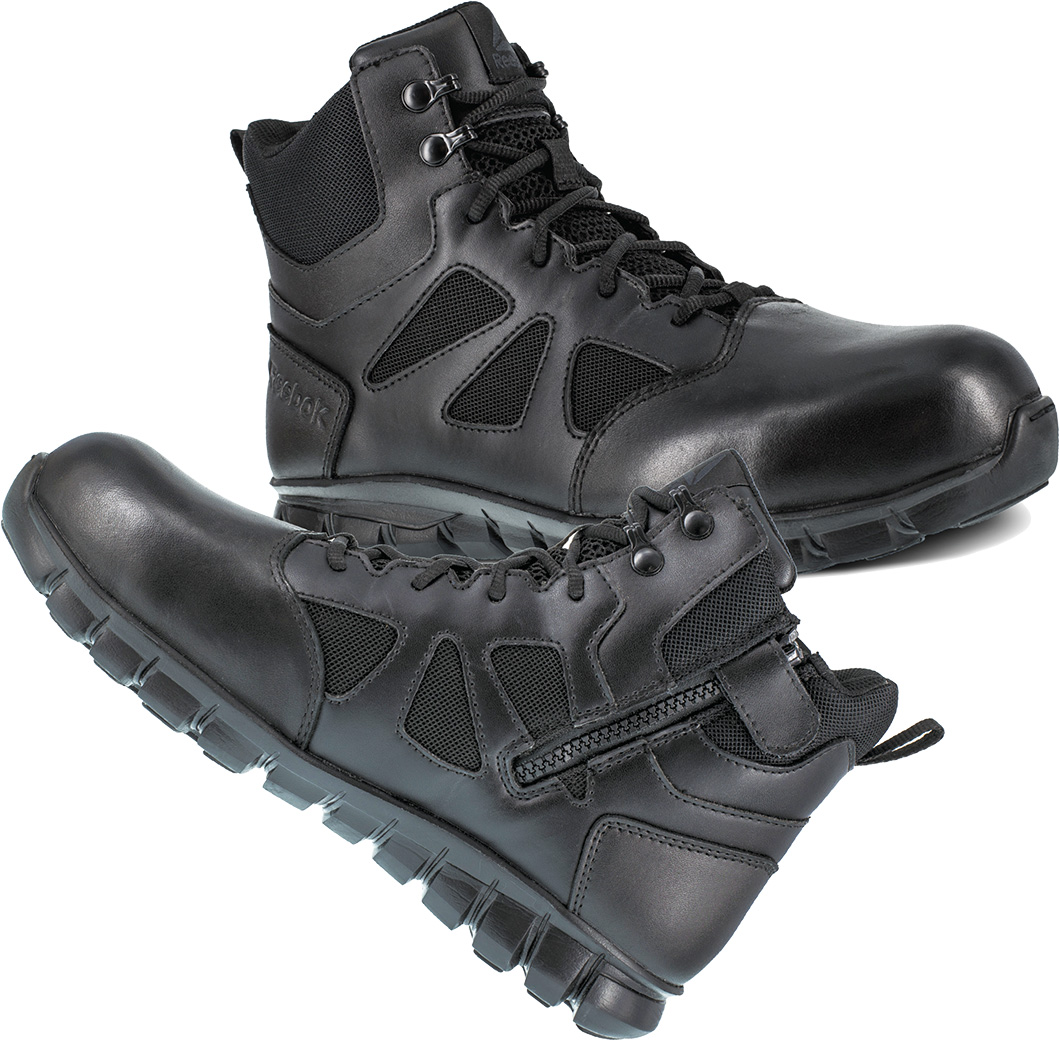
The latest Sublite Cushion Tactical boot from Warson Brands, the official Reebok licensee for duty and uniform footwear, features much-welcomed updates. The RB8606’s 6-inch design includes a composite safety toe added at the behest of law enforcement professionals. Another new feature is a side zipper for easy on and off. Back by popular demand is the Sublite foam midsole technology featuring deep-flex grooves that absorb shock while allowing for natural movement. Designers also brought back the MemoryTech massage removable cushion footbed that conforms to individual contours and provides slip resistance. MSRP $160.

Get more information on this item ->


DICKIES RIPSTOP CARGO PANTS
Pick Your Pocket
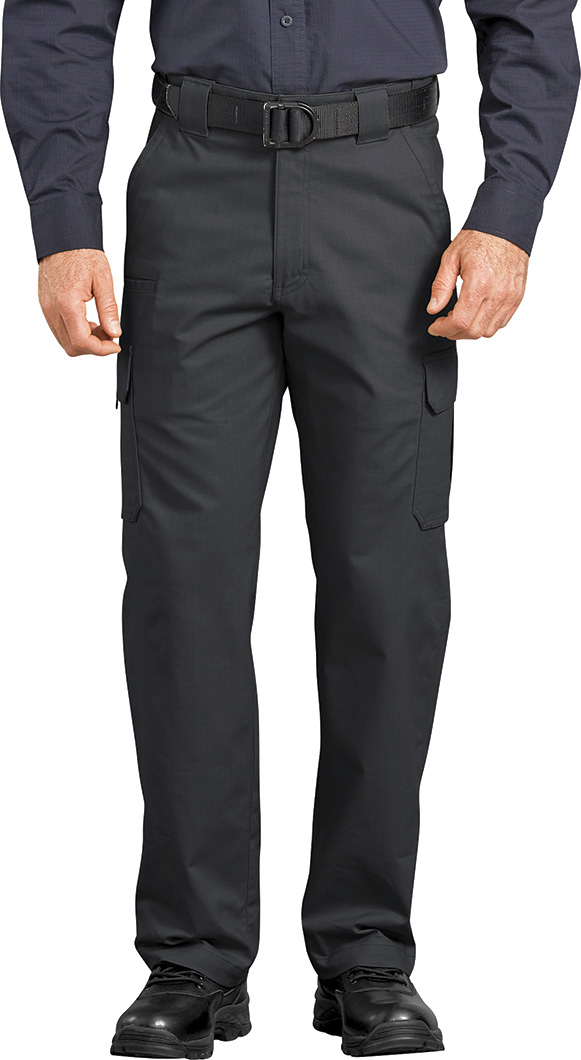
Ripstop Cargo Pants by Dickies offer a relaxed fit, but are totally equipped to tackle any tactical situation. Stash extra ammunition in the magazine pocket hidden within the large side cargo pockets. L-shaped front pockets hold small items officers need at the ready, including a spot to discreetly clip on a knife. There’s also a front leg pocket for phones. Constructed from a flexible performance-stretch material, these pants accommodate freedom of movement. Available in black, midnight blue and khaki. MSRP 42.99–$46.99.

Get more information on this item ->


See this story in the Spring 2019 FOP Journal issue.


Inside the Criminal Mind

According to the National Institute of Mental Health, nearly one in five U.S. adults lives with a mental illness. Based on the statistic, it’s no wonder that law enforcement professionals frequently encounter individuals struggling with a wide range of mental, behavioral or emotional disorders. Over the years, officers have increasingly become first responders for mental health crises — as many as 10% of police calls involve mental illness.

For example, in 2017, the Sacramento Police Department fielded more than 3,340 incidents related to mental health, according to statistics it provided to the Sacramento Bee. Officials from Johnson County, Kansas, told the Shawnee Mission Post they received a 448% increase in calls from law enforcement agencies for mental health assistance between 2016 and 2017. And Iowa State Police Department Chief Michael Newton confirmed to the Ames Tribune that the agency experienced an 18–20% increase in mental health–related calls between 2016 and 2017.

Many of these cases require law enforcement professionals to be as well-versed in psychology as they are in laws and statutes. The key is recognizing who deserves a mental health intervention versus who should be charged with an offense. It’s this unique intersection that’s the focus of forensic psychology. Traditionally, the specialty has been viewed from a clinical perspective, where practitioners evaluate individuals for competency hearings or child custody cases. However, law enforcement professionals also benefit from an in-depth knowledge of mental health disorders as well as other potential psychological impacts, such as the effects of interrogation and interview techniques. Many in law enforcement are turning to programs in forensic psychology to gain the valuable skills they need to meet the unique and ever-evolving demands of the job.


Eastern Kentucky University

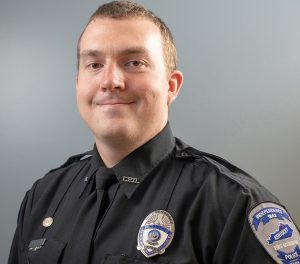
Officer Daniel Potts, EKU B.S. Forensic Psychology graduate

Degree: Bachelor of Science in Psychology, Forensic Psychology Concentration
Course sampling: Literacy in Psychology; Psychology of Personality; Adolescent and Adult Development
Key components: In addition to studying various fields within psychology, students choosing the forensic psychology concentration have the opportunity to participate in high-level discussions of course material with graduate students through a hybrid curriculum structure.
Faculty insight: “For every topic I teach, I have done as a case as a private practitioner. I often give students my case materials to review outside of class, and in class we talk about them. That makes for interesting conversations.” — Dustin B. Wygant, Ph.D., professor and Clinical Training program director
FOP member takeaway: “I knew I wanted to be a police officer, and I saw a growing trend with officers dealing with individuals with mental illness. I thought double-majoring in criminal justice and psychology would be very beneficial. I liked that the classes and assignments were able to integrate not only criminal justice to psychology, but psychology to criminal justice.” — Kentucky Lodge #75 member Officer Daniel Potts, Independence Police Department, 2013 graduate


George Washington University

Degree: Master of Arts in Forensic Psychology
Course sampling: Psychology and the Legal System; Theories of Criminal Behavior; Investigative Psychology
Key components: Based in Washington, D.C., GWU faculty have developed an expansive network of contacts within numerous government agencies, including the U.S. Secret Service and the Bureau of Alcohol, Tobacco, Firearms and Explosives. Students can tap into these resources for the mandatory externship.

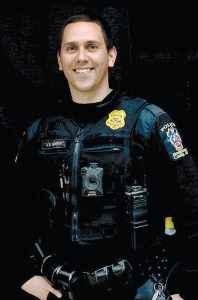
Officer Justin Saffar, GWU M.A. Forensic Psychology graduate

Faculty insight: “People working patrols who encounter mentally ill individuals don’t always understand what they’re looking at. Police officers who come back to school further their advantages, not because they’re getting a master’s degree, but because they’re getting skills they didn’t have.” — Richard A. Cooter, J.D., Psy.D., Forensic Psychology director
FOP member takeaway: “There are a lot of courses taught by experts in their fields. The interview and interrogation class was taught by an FBI agent of 30 years. They had a behavior profiling course taught by a U.S. Marshal who leads the psychology [department] for the entire service. It was nice to talk to them cop-to-cop.” — Maryland Lodge #35 member PO III Justin Saffar, Montgomery County Police Department, 2017 graduate


University of North Dakota

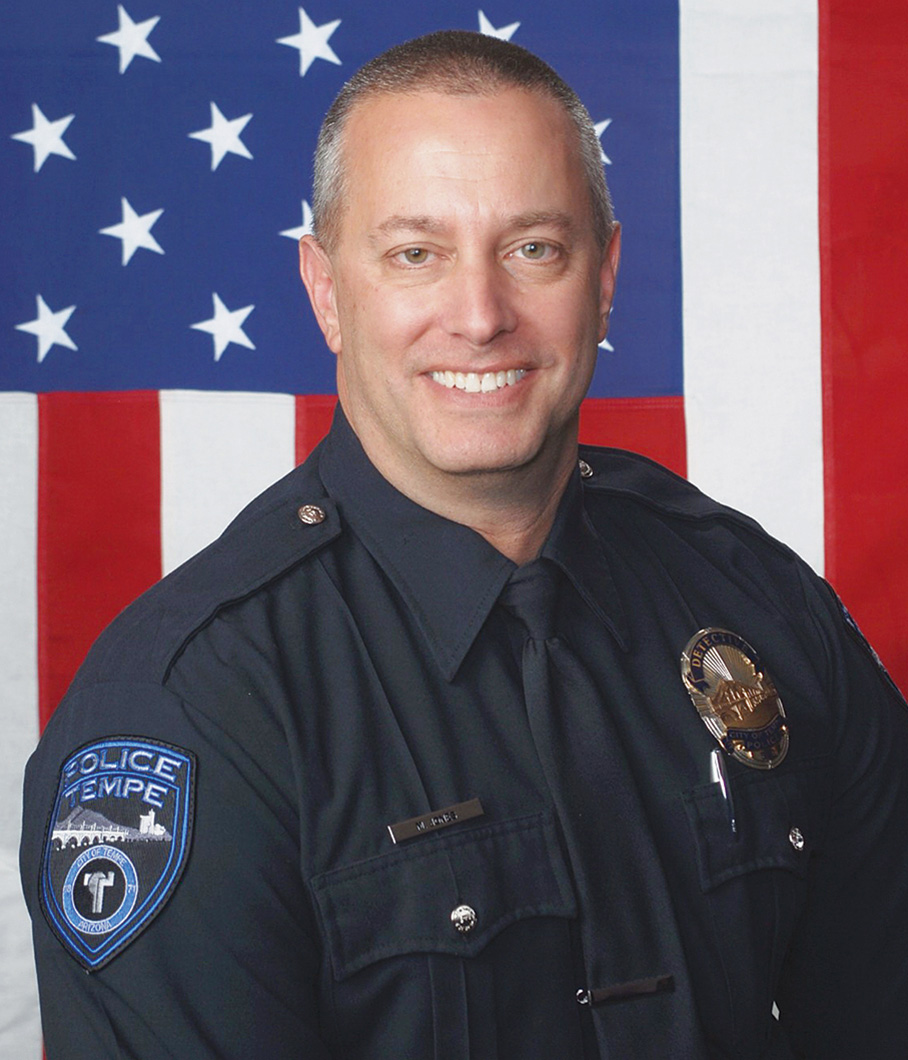
Detective Matt Jones, UND M.A. Forensic Psychology graduate

Degree: Master of Arts in Forensic Psychology
Course sampling: Behavior Pathology; Human Factors in Cyber Security; Foundations of Behavioral Data Analytics
Key components: The online program was ranked No. 1 among online master’s degree programs in forensic psychology by CollegeChoice.net last year. UND students have access to the same resources, lectures and curriculum as on-campus students. The degree culminates with a capstone project that includes a one-week on-campus experience, complete with face-to-face meetings with instructors
and classmates.
Faculty insight: “We have working professionals in the program, and it’s a unique learning experience for me to hear from them. At last year’s capstone, I learned about their jobs and now I can use that in more practical aspects for classes.”— André Kehn, Ph.D., associate professor
FOP member takeaway: “The main thing that appealed to me was the background of the instructors. I took the time to look at their CVs and the classes they were teaching.” — Arizona Lodge #11 member Detective Matt Jones, Tempe Police Department Homicide Unit, 2018 graduate


Arizona State University

Degree: Master of Science in Forensic Psychology
Course sampling: Advanced Correctional Psychology; Quantitative Analysis; Seminar in Courts and Sentencing
Key components: The online advanced degree program has gained national recognition since its debut in 2017. Coursework explores various topics of mental health and human behavior and how they pertain to the criminal justice system, including courts and corrections.
Faculty insight: “We wanted the curriculum to give insight into all angles of the field. We have courses that have come from the law enforcement or criminology perspective, but with the psychological theory behind what goes on. It’s important to understand the needs of people with mental health [concerns] and how judges and juries weigh mental health concerns.” — Nick Schweitzer, Ph.D., associate professor and ASU Program on Law and Behavioral Science director and founding member


University of California, Irvine

Degree: Master of Legal and Forensic Psychology
Course sampling: Forensic Assessment; Legal Reasoning; Violence and Psychopathology; Clinical Interviewing and Treatment
Key components: A collaboration between the Department of Psychological Science and the Department of Criminology, Law and Society, this graduate-level program examines the issues that cross from psychology to the legal realm and back, with a heavy emphasis on research and evidence-based practices.
Faculty insight: “I believe police officers are under enormous pressure of dealing with the public and community safety. They need more resources and support systems, and to have a better understanding of mental health to do the job. The goal is to bring the science to practice and have science drive solutions.” — Elizabeth Cauffman, Ph.D., professor and Center for Psychology and Law director


Southern New Hampshire University

Degree: Master of Science in Forensic Psychology
Course sampling: Cognitive Psychology; Theories of Personality: Intersection of Law and Psychology
Key components: Students test their research and analysis assessment skills as well as develop in-depth understanding of key issues in the forensic concentration, such as eyewitness memory and recall, civil commitment and competency.
Faculty insight: “Law enforcement students are not only exposed to what types of roles forensic psychologists maintain in the justice system and the community, but also gain a more comprehensive understanding of the code of ethics that psychologists abide by.” — Vanessa Holtgrave, Psy.D., adjunct faculty


Click here A Psychological Perspective” to read more FOP member insights on how forensic psychology degrees can benefit officers.


See this story in the Spring 2019 FOP Journal issue.


Restoring Public Trust

By Dr. Jeff Bernstein

I think most of you will agree that we are losing the public relations battle. You see it every day on every news channel; there are so many negative stories about the police. I’m tired of all the negative press. I’m sick and tired of all the hate directed toward the police. Something is seriously wrong in our society when the police are viewed as the bad guys, and the criminals as the poor victims. This thinking needs to change, and we really need to do something about it. I believe that we need a really good public/community relations campaign! An effective campaign will help improve our public image, especially if labor and management work closely together on it.

As a group, I believe we actually have the power to help stop all this hate. In order to start changing the hearts and minds of the public, a concerted national effort needs to be made by everyone in law enforcement. Years ago, I was in a meeting at the Miami Police Department headquarters with Chief John Timoney. He said, “The media loves a good story about a firefighter and a negative story about a cop doing something bad.” Wow, he was so right! Think about the stuff you see on the news every day. A group of firefighters rescuing baby ducks stuck in a storm drain or a firefighter putting an oxygen mask on a cat after a fire. I’m really tired of watching that stuff on TV, by the way. While watching one of these rescues on TV with my wife recently, she turned to me and said, “Isn’t that wonderful?” I said, “Yes, dear,” and I immediately had to leave the room to go throw up in the bathroom. I think we can all agree: firefighters get great media coverage, and cops don’t. My former chief, Lou Guasto, was fond of saying, “While what the fire departments do is so important, our free society could not exist without the daily efforts of our police officers.” So true. I’m hoping that we can make it our turn now to get some positive press. If we all work together on a public relations campaign, we can win back the hearts and minds of the public! We had it once, so I am quite sure we can have it again.

Here are five things that every officer and supervisor can do:

1 We have to make sure that our officers stop doing stupid s— that ends up on TV. We have all seen a police pursuit on TV. A helicopter flies overhead, the pursuit ends in a crash, the bad guys bail out and then are caught, there’s no resistance, until, wait for it, wait for it, thump, an officer uses a bit more force than necessary. Stop the officers you work with from doing this. Save them from being arrested. Save their jobs and pensions. Stop the act, and these images won’t have a chance to appear on TV. It really hurts us when they do. We are the good guys, and we need to be seen that way.

2 Don’t get baited by people who dislike the police. Understand what these people are trying to do. The people who record officers on video are trying to get them to say or do something inappropriate. They are often hoping for a negative reaction from you. Remain calm and deal with the situation professionally. Think: If you respond in a professional manner, will that make for good video? Consider these two options.

Option A: “Sir, you are interfering with a lawful investigation. Please step back now and stop obstructing. If you continue, I am going to place you under arrest for obstructing. Please move over to the corner location now.” Now, contrast that with Option B: “Hey, asshole, I’m not going to tell you again. This is police business, get out of my face, and get the f— out of here now, or I will knock the dog s— out of you!”

I believe Option A is the better choice. And for those of you who are not sure which option to choose, just pick Option A, please.

3 Give good customer service. Most people who call the police are honest, hardworking citizens who deserve good customer service. Most have a legitimate problem or question and need your help. When they receive good treatment from the police, they tell people. When they receive bad treatment from the police, they tell 10 times as many people. That’s just how it is. Think about how you would want an officer to treat your family. If it were your mom who just got knocked down by a purse snatcher, how would you want the responding officer to treat her? You certainly would want someone who is caring, concerned, compassionate and comforting. For the most part, it’s just following the Golden Rule: treat people the way you would want to be treated. Always remember, giving good customer service makes for good video.

4 Use departmental social media effectively. Most of you who are actively employed are from Generation X and Y (millennials) and already know how to use social media. Just to be clear, I’m not talking about swiping on Tinder or liking pictures on Instagram. We need to keep the public informed about emergency situations, such as missing kids and bad guys on the loose. Facebook, Twitter, Instagram, whatever! We need to use it, and use it effectively. Get the good news out as often as possible. Do what you can to improve the image and reputation of your department. Feed the public information officer good stuff.

5 Get those really good body camera videos to your public information officer. This is so important, and it really is the key to swinging the pendulum back toward respect for the police. Recently, Florida Sheriff’s Deputy Jeremie Nix did a great job saving the life of an infant. He was driving home and was flagged down in his patrol car by Nechole Cromwell, who told him that her 4-month-old son, Kingston, was completely unresponsive. After trying to revive the baby and not seeing any results, Deputy Nix decided to drive the baby directly to the hospital. He saved baby Kingston, and 100 million people saw him do it! He was hailed a hero and hugged by mom Nechole. Deputy Nix said, “God put me in the right place at the right time.” Wow, it doesn’t get any better than that!

These are just five things that all officers can do to help end this hate toward law enforcement. We certainly can do more. For example, if you see a firefighter put an oxygen mask on a cat and the TV cameras are there, just walk over and insert yourself into the frame. Then, immediately start CPR on the cat, and make sure your departmental patch is clearly visible to the camera! A similar technique will also work with the baby ducks stuck in the storm drain. While the firefighters are rescuing the baby ducks, you should personally bring the mother duck over so that she can reunite with her baby ducklings. Again, just make sure your police departmental patch is clearly visible to the cameras. The baby ducks will instinctively follow you and the mother duck, which is what we want. Also, don’t be afraid to just push the firefighters out of the way. We need to let the public see us continually doing good things, in person and on video! It works for the firefighters. Heck, even letter carriers had a kick-ass public relations video after 9/11. Yes, letter carriers. The U.S. Postal Service made one of the best public relations videos that I have ever seen. That video should have been about cops and firefighters, not the people who deliver my mail. (Watch it on Youtube here: www.bit.ly/2BlAUFk.) We desperately need to improve our public image. If we try hard enough, we absolutely and positively can change the hearts and minds of the public. It’s up to you to help make that happen!

Note: In the interest of full disclosure, no firefighters’ or postal workers’ egos were harmed during the writing of this article.

Dr. Jeff Bernstein is a police psychologist who holds a doctorate in clinical psychology. He worked for the Miami Beach Police Department for 15 years as an officer, detective and supervisor. He is a Medal of Valor recipient and a member of both the FOP and the PBA’s Retired Police Officers Council. Additionally, he is a co-author of the best-selling book, Supervision of Police Personnel. Dr. Bernstein serves as a promotional exam resource expert for FOP lodges and PBA locals throughout the country. 


See this story in the Spring 2019 FOP Journal issue.


A Psychological Perspective

From individual agency reporting to large studies conducted by forensic psychology researchers, evidence indicates law enforcement professionals (LEPs) oftentimes are the first responders to mental health incidents, whether identified as an emotional crisis or simply as an element of a possible criminal situation. We asked the following FOP members why having an understanding of the psychological aspects of human nature, especially in stressful circumstances, is as important to success on the job as comprehension of statutes and well-practiced tactical maneuvers.

Meet the Officers

MATT JONES graduated with a master of arts in forensic psychology from the University of North Dakota in 2018. He is a detective in the Tempe (Arizona) Police Department’s Homicide Unit and a member of FOP Tempe Lodge #11.
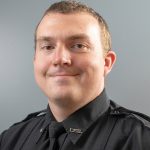
DANNY POTTS graduated with dual majors in criminal justice and psychology from Eastern Kentucky University in 2013. He is a police officer with the Independence (Kentucky) Police Department and a member of the Kentucky State FOP Independence Lodge #75.
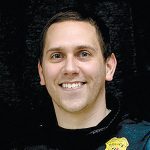
JUSTIN SAFFAR graduated with a master of arts in forensic psychology from George Washington University in 2017. He is a police officer with the Montgomery County (Maryland) Police Department and a member of the FOP Lodge #35.


How can an understanding of forensic psychology help LEPs on duty, whether they’re assigned to patrol or other units?

POTTS: We need more officers with psychology backgrounds. It can assist them to properly inform family members and medical professionals when bringing in someone with a mental illness or who may possibly be abusing substances that are contrary to their prescriptions.

SAFFAR: When you’re talking to someone who has been schizophrenic their whole life, you know what medications they’re talking about and the symptoms. You can connect with them better. It comes down to understanding people and where they’re coming from and seeing them as unique individuals.

What did you find interesting about the coursework at your university? Did you have a favorite class or subject?

POTTS: Forensic psychology was definitely my favorite. It delved deep into criminal justice and psychology. It talked about mental illness in criminal justice [and how it] plays a part in the court system.

SAFFAR: One of the introductory courses was psychology and the law. Before, I didn’t really understand why a case couldn’t go forward because of [the person’s] mental health status. Now I understand where it comes from and why lawyers are doing what they’re doing.

JONES: Diversity and the law was a class I didn’t think I would enjoy, but it turned out to be my favorite. It talked about adverse populations for discrimination I never thought of or considered, such as the lesbian and transgender community, and how the population is discriminated against in psychology [and criminal justice].

Have you been able to apply the theories and coursework to the job?

SAFFAR: Absolutely. It’s helped throughout my career. I was interested in the crisis negotiation team, and forensic psychology is much of what they do. When we go to do a mental health evaluation and decide when someone should have the hospital involved, I volunteer to write the petitions because I enjoy that.

JONES: It has impacted my job a lot in terms of dealing with eyewitness identification procedures and how I listen to statements of individuals involved. I better understand how memory works. Just because a person can’t remember all the details, it doesn’t mean they’re lying.

Would you consider returning to school for another advanced degree in forensic psychology?

JONES: The more I network with researchers, [the more] I’m drawn into how much I enjoy research. I’m considering going for my Ph.D.

SAFFAR: I may consider a Ph.D. A lot of supervisors and upper management in my department have degrees in higher education, and it’s a competitive process. Having my masters will help if I lean toward management. I’m also interested in becoming a homicide detective, which involves psychology.

POTTS: I will probably get an advanced degree. I’m lucky that my department has a continuing education program. Last year, they sent me to a crisis intervention training conference to learn more about how to talk to and document people in crisis. They’re sending me to a class this year because I expressed an interest. That not only benefits me, but it benefits the department, too.

What advice would you offer LEPs considering a degree in forensic psychology? How can they evaluate different institutions and programs?

JONES: Make sure the curriculum has classes in the area you want to study. Also, look at the background of instructors. Are they experienced? Have they done research in the classes they’re teaching?

POTTS: Look for the freedom to integrate criminal justice ideas or situations into psychology classes, papers and essays. I was given a lot of freedom because my professors understood I wanted to be a police officer.

SAFFAR: The most helpful thing for me was speaking with the department chair. I explained my career goals and ambitions, and I knew within an hour that it was the right program for me.


For more about these programs, read “Inside the Criminal Mind.”


See this story in the Spring 2019 FOP Journal issue.